Cross-Border Transaction Frameworks Shape Tiered Rewards in Mobile Card Competitions and Athletic Prediction Platforms
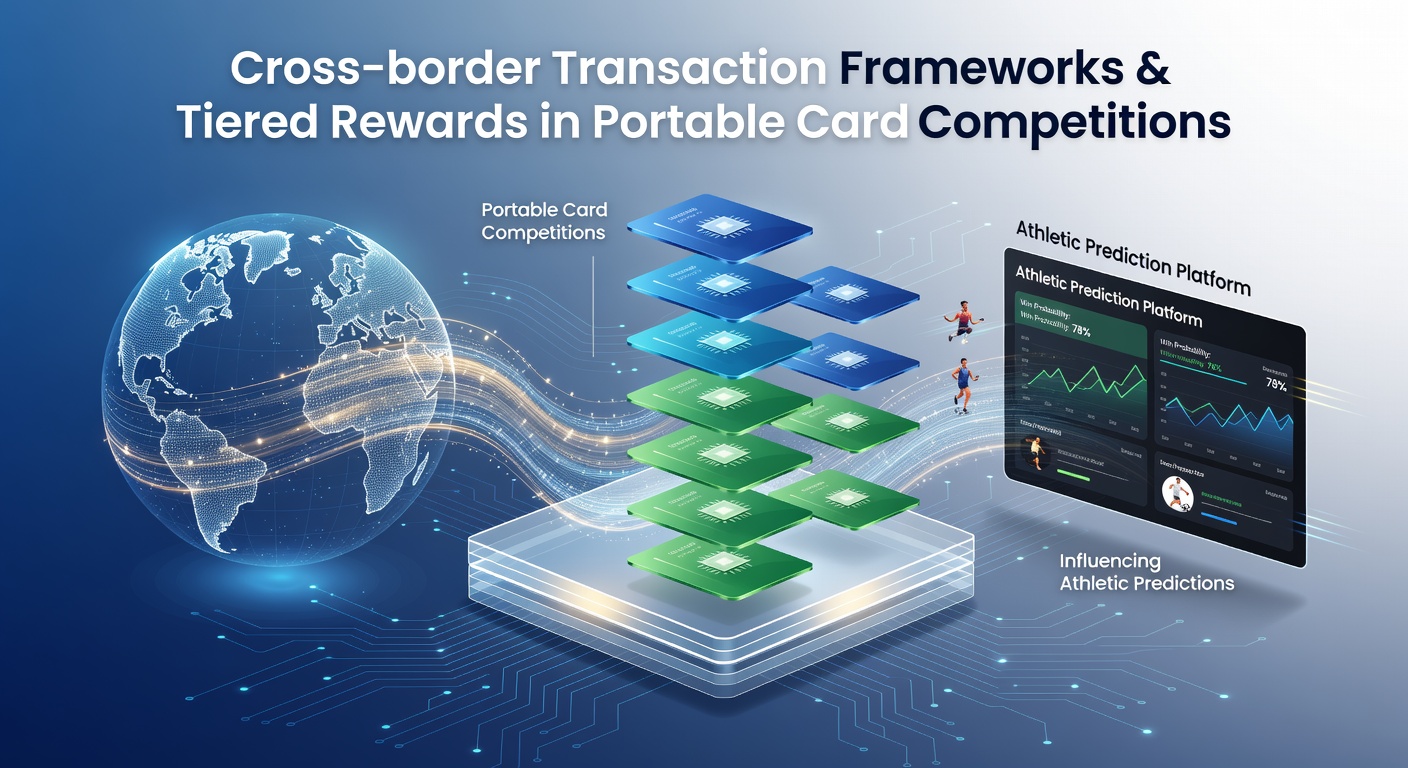
Regulatory developments in cross-border payments continue to reshape how operators structure tiered rewards across portable card competitions and athletic prediction platforms, with frameworks established by multiple jurisdictions creating new compliance layers that directly affect player progression systems. These frameworks require platforms to align loyalty mechanisms with international anti-money laundering standards while maintaining competitive reward structures that function across borders.
Regulatory Landscape for International Transactions
Financial Action Task Force recommendations updated in 2025 prompted several regions to revise their transaction monitoring requirements for digital gaming operators, and data from the European Banking Authority shows increased scrutiny on cross-border fund movements tied to loyalty programs. Operators must now verify player identities at multiple reward thresholds, which alters how tier advancement occurs in real time during card competitions hosted on mobile devices.
Countries including Australia through AUSTRAC and Canada via FINTRAC implemented synchronized reporting protocols in early 2026 that link reward point accumulation to source-of-funds verification, creating procedural steps that extend the time between tier qualification and reward activation. These measures apply equally to both card game environments and sports prediction interfaces where users accumulate points through predictive wagers.
Effects on Portable Card Competition Rewards
Mobile poker platforms operating across multiple markets adjusted their tier structures after June 2026 guidance from the US Treasury clarified expectations around virtual currency conversions used in loyalty redemptions. Players advancing through bronze, silver, and gold levels now encounter additional documentation requirements when crossing certain transaction value thresholds, which has prompted operators to redesign progression timelines to accommodate verification delays.
Research from the University of Nevada Gaming Research Center indicates that platforms incorporating these compliance checkpoints experienced measurable shifts in average session duration among users pursuing higher reward tiers, while those who studied these patterns note that reward redemption rates remained stable once verification processes completed. Card competition apps responded by introducing interim status levels that provide partial benefits during extended review periods.
Influence on Athletic Prediction Platforms
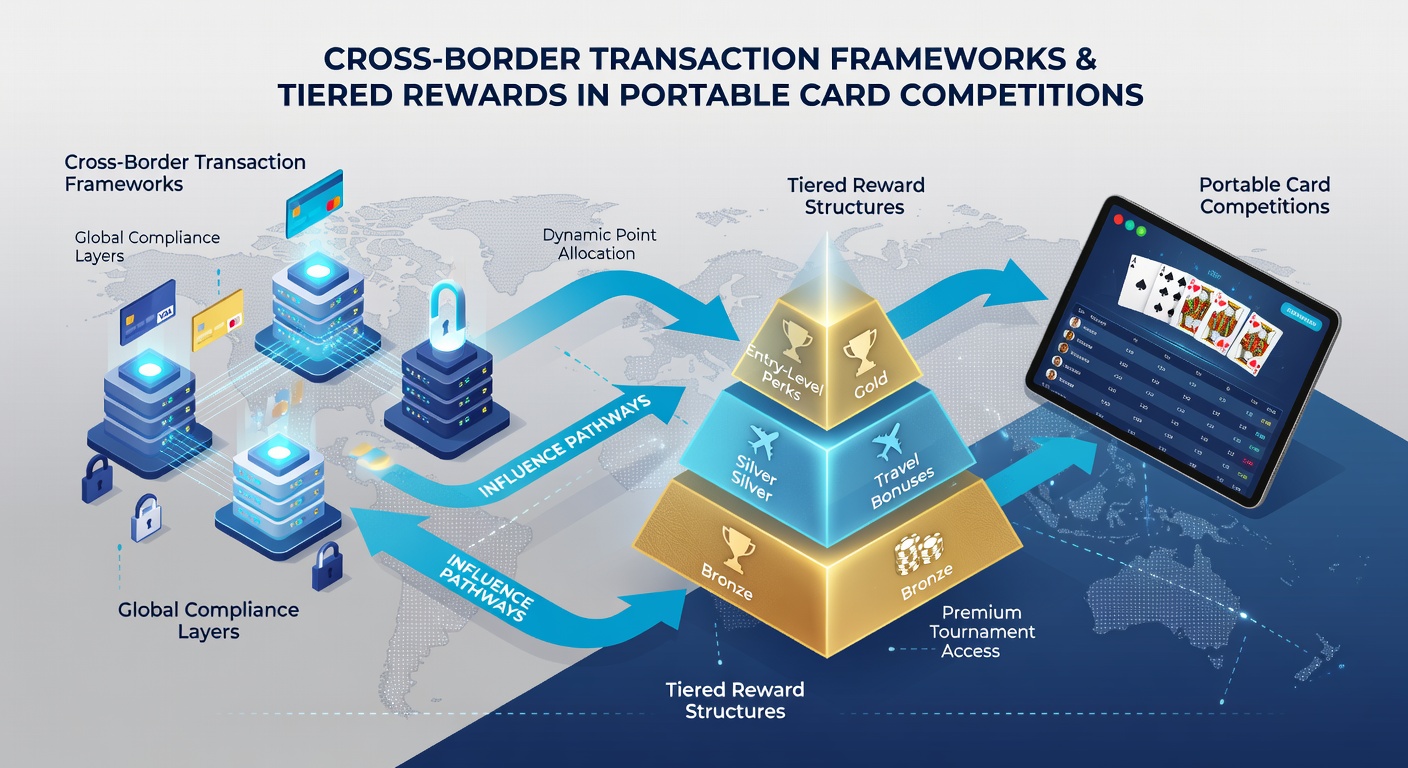
Sports betting applications that incorporate predictive elements face parallel adjustments because transaction frameworks treat accumulated prediction points similarly to card game rewards when they involve cross-border transfers. The June 2026 implementation window saw several major platforms introduce geographic segmentation for reward tiers, ensuring that players in different regulatory zones receive equivalent value despite varying compliance overhead.
Industry reports compiled by the American Gaming Association document how operators integrated automated screening tools that flag reward transactions exceeding specific amounts, allowing athletic prediction platforms to maintain continuous play while routing flagged activities through separate compliance channels. This approach preserves user engagement metrics without violating updated international standards.
Integration Challenges and Platform Responses
Operators managing both card competitions and athletic prediction services within single applications encountered unique difficulties when harmonizing reward structures under unified transaction frameworks. Some companies developed modular tier systems that adjust benefit delivery based on the regulatory classification of each user's primary jurisdiction, while others created separate progression tracks for card-based and sports-based activities.
Payment processors specializing in gaming transactions introduced new API features in 2026 that automate compliance checks during reward point transfers, reducing manual review burdens for platforms. These technical solutions allow tiered structures to operate with minimal interruption even when users move between different regulatory environments during active sessions.
Conclusion
Cross-border transaction frameworks established through coordinated international efforts continue to influence how tiered rewards function within portable card competitions and athletic prediction platforms, requiring operators to balance compliance obligations with user experience considerations. The developments observed through June 2026 demonstrate ongoing adaptation across the sector as platforms refine their systems to meet evolving standards while preserving the core mechanics that drive player advancement.