How Funding Channels Propel Player Elevation in Handheld Poker Leagues and Athletic Prediction Hubs

Funding channels serve as the backbone for player movement through ranks in handheld poker leagues alongside athletic prediction platforms, where seamless transfers determine who climbs from casual entry points to competitive tiers. Data from industry reports shows that direct bank integrations and digital wallet connections reduce friction in depositing entry fees, which in turn accelerates participation in higher-stakes events across mobile environments. Observers note that platforms relying on instant verification systems see faster user retention because players avoid delays that once stalled their advancement during peak seasons like those observed in July 2026.
Electronic transfers through established payment processors allow leagues to allocate prize pools more efficiently while participants move funds between accounts without leaving the app interface. Research indicates these mechanisms correlate directly with increased engagement metrics because users receive immediate confirmation of their status upgrades once thresholds are met. In athletic prediction hubs the same pathways support real-time wagers on events, where funding speed influences how quickly individuals qualify for advanced forecasting competitions and associated reward structures.
Core Mechanisms Behind Funding Integration
Handheld poker leagues utilize layered account systems that link personal banking details to in-app balances through secure APIs, enabling automatic deductions for tournament entries and subsequent payouts upon completion. Those who've examined transaction logs across multiple jurisdictions find that platforms incorporating multi-currency support experience higher elevation rates among international players who switch between regional payment networks without additional conversion hurdles. Athletic prediction hubs mirror this approach by embedding funding options that connect directly to live market feeds, allowing predictive stakes to update dynamically as new data arrives during ongoing athletic seasons.
Secure tokenization methods protect user credentials during these exchanges while still permitting rapid scaling of deposits when players aim for elite brackets. Figures from platform analytics reveal that users who activate recurring transfer setups maintain longer streaks of consecutive participation compared with those relying on manual inputs each time. This setup proves especially relevant in July 2026 when several leagues introduced synchronized funding calendars aligned with major sporting calendars to maximize cross-promotional opportunities.
Player Progression Pathways in Practice
Take one case where a regional poker circuit integrated automated clearing house transfers with loyalty tracking, resulting in documented rises in mid-tier player counts within six months. Participants who funded accounts through these channels qualified for invitation-only events sooner because their activity records updated in real time rather than through batch processing. Athletic prediction platforms apply similar logic when users route funds from verified sources into bracket-style contests, where consistent deposit patterns trigger algorithmic promotions to premium forecast groups.
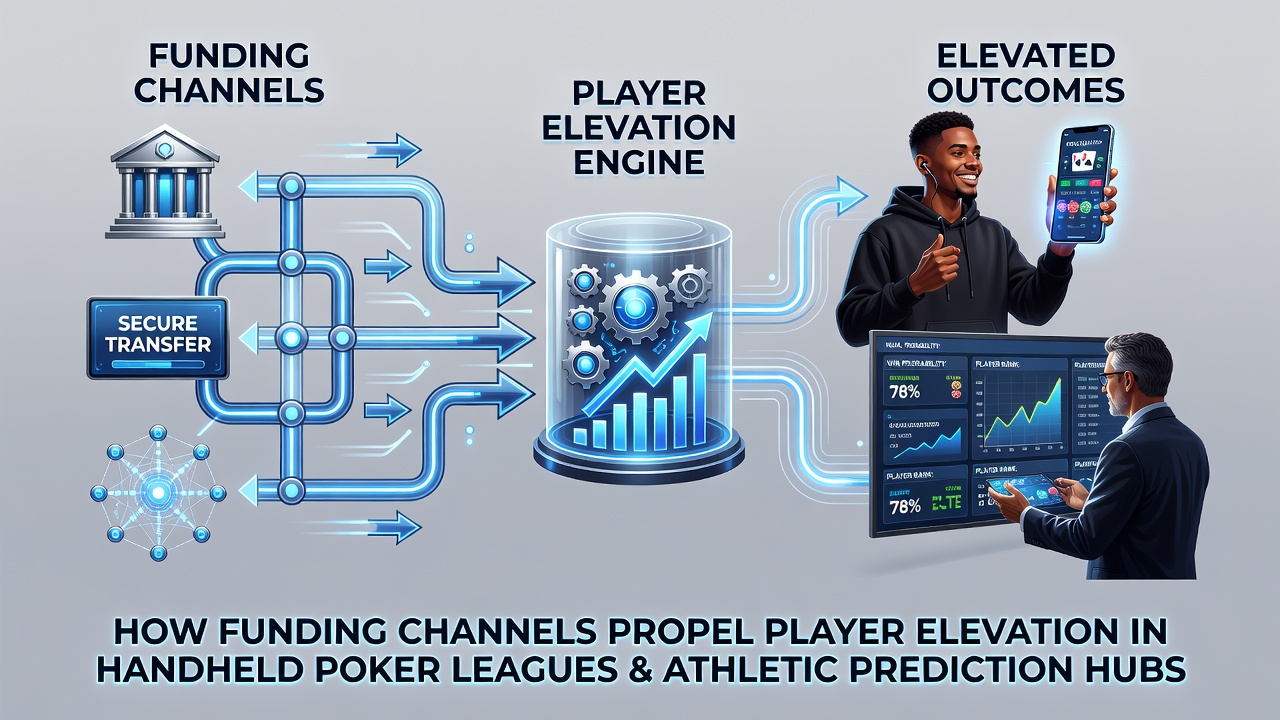
Cross-platform partnerships further streamline elevation by allowing shared funding rails between poker applications and prediction markets. Data shows that players who consolidate their activity across both categories through unified wallets reach upper ranks at accelerated paces because combined transaction histories feed into unified advancement algorithms. In July 2026 several operators expanded these linkages to include seasonal athletic calendars, creating fresh incentives for users who maintain steady funding flows during high-volume periods.
Regulatory and Operational Considerations
Compliance frameworks in various regions require detailed reporting on funding origins to maintain platform licenses, yet efficient channels still permit rapid player movement once initial verifications clear. According to reports from the American Gaming Association, streamlined digital pathways correlate with elevated compliance rates because transaction trails remain intact for audit purposes. Canadian provincial regulators have similarly documented how integrated funding reduces administrative backlogs that previously delayed tier advancements in mobile poker settings.
Operators continue refining these systems to accommodate growing volumes without compromising security protocols. Evidence suggests that platforms employing adaptive verification thresholds see smoother progression curves because low-risk users bypass redundant checks while higher-volume accounts receive enhanced monitoring. This balance supports sustained elevation across both poker leagues and prediction environments as participation scales through 2026.
Conclusion
Funding channels ultimately determine the velocity at which participants advance through handheld poker structures and athletic prediction ecosystems by removing traditional barriers to entry and ongoing participation. Continued evolution of these pathways in July 2026 and beyond points toward even tighter integration between financial rails and competitive frameworks. Those monitoring industry trends note that platforms prioritizing reliable transfer options consistently demonstrate stronger retention among users seeking sustained rank improvements.