Patterns of Engagement Growth Linked to Tiered Incentive Designs in Electronic Card Rooms and Forecast Platforms
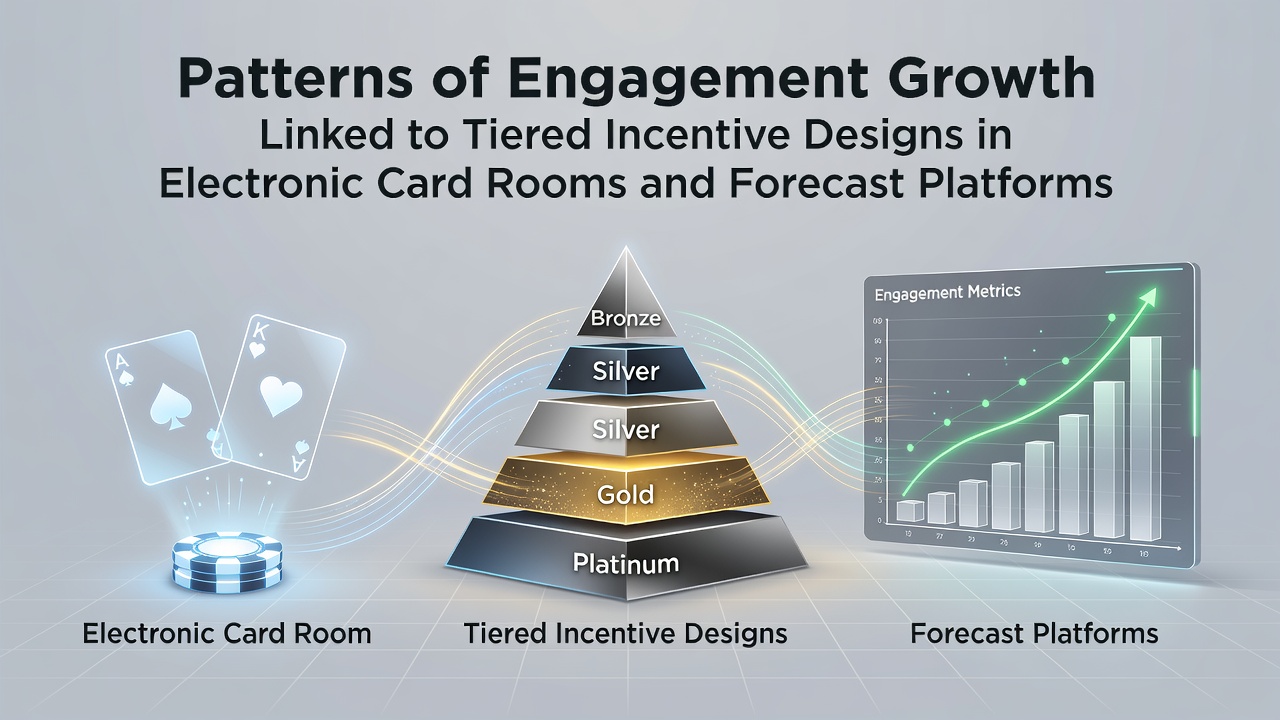
Electronic card rooms and forecast platforms have incorporated tiered incentive designs that structure rewards around player progression through defined levels, and observers note consistent correlations between these structures and measurable increases in session duration along with deposit frequency. Data from multiple jurisdictions shows that participants advance through bronze, silver, gold, and platinum tiers by accumulating points from wagers or predictions, which unlocks escalating benefits such as cashback percentages, exclusive tournament access, and personalized multipliers.
Researchers tracking user behavior across several platforms report that the introduction of visible tier ladders produces acceleration in engagement metrics within the first 30 days of implementation. Players who reach intermediate tiers demonstrate retention rates that exceed those of entry-level participants by margins documented in internal analytics shared with regulatory bodies. This pattern holds across poker variants in electronic card rooms and prediction markets focused on athletic outcomes where users forecast results to earn status points.
Structural Elements of Tiered Systems
Tiered designs operate through point accumulation tied directly to transactional volume, yet platforms apply different weighting formulas that prioritize certain activities. In card rooms, rake contributed during cash games or tournament buy-ins feeds the point system, whereas forecast platforms calculate advancement from prediction accuracy combined with stake size. Both approaches create pathways where early-stage incentives focus on volume to build momentum, and later tiers shift emphasis toward consistency and loyalty markers.
Analysts examining longitudinal data observe that platforms employing milestone bonuses at tier thresholds experience sharper spikes in daily active users compared with flat reward models. The transition points between tiers often coincide with behavioral shifts, including extended time spent reviewing statistics or participating in community features that reinforce continued activity.
Engagement Patterns in Electronic Card Rooms
Electronic card rooms utilizing progressive incentive ladders report higher average hands played per session once players enter mid-tier status. Figures compiled by the Nevada Gaming Control Board indicate that online poker traffic in regulated markets grew steadily through 2025, with platforms featuring visible progression systems contributing disproportionately to the overall increase. Players who unlock higher cashback rates tend to maintain consistent bankroll management while increasing their overall volume, a pattern that sustains platform revenue without requiring proportional marketing spend.
One documented case involves a regional operator that adjusted its tier thresholds after reviewing six months of transaction logs. The adjustment produced a measurable uptick in players completing the journey to the next level within the same calendar quarter, and subsequent reports showed elevated participation in side games and satellite events linked to the new structure.
Comparable Trends in Forecast Platforms
Forecast platforms centered on sports outcomes apply similar tier mechanics that reward accurate predictions and consistent engagement. Users who advance through levels gain access to higher-odds markets or boosted payout structures, and platform operators record corresponding rises in prediction submissions during peak event windows. Data aggregated across multiple operators reveals that tier advancement correlates with increased cross-category activity, where participants who begin with major league forecasts expand into niche competitions as their status improves.
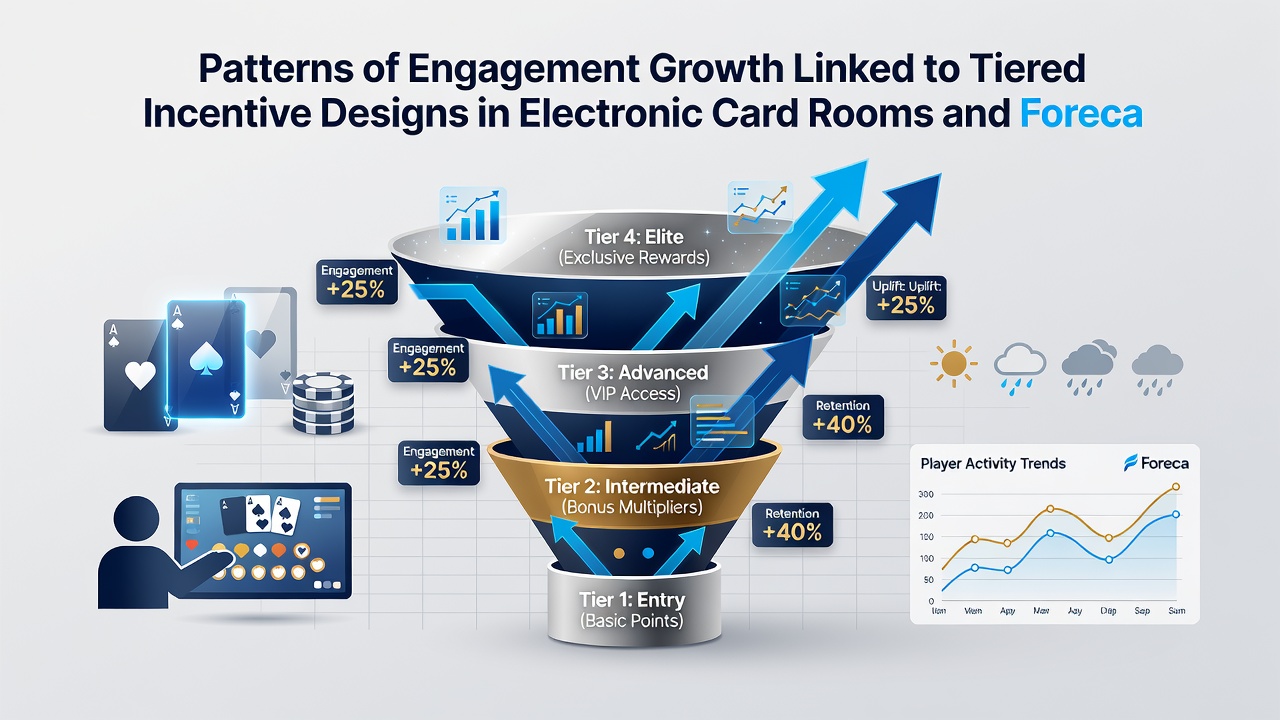
What's interesting here is how the psychological visibility of remaining points to the next tier influences short-term decision making. Studies conducted by academic researchers at institutions in Australia have identified that users presented with progress bars exhibit lower churn rates during periods between major sporting events, maintaining activity through smaller markets or practice modes.
Regulatory Developments and June 2026 Context
Regulatory frameworks continue to shape how operators deploy these incentive structures. In June 2026, several North American jurisdictions are scheduled to implement updated reporting requirements for loyalty program data, which will require operators to submit anonymized tier progression statistics alongside standard revenue filings. These changes build on existing standards maintained by bodies such as the Nevada Gaming Control Board and aim to provide clearer visibility into player behavior patterns across electronic card rooms and forecast platforms.
Canadian provincial regulators have also signaled intent to align their oversight approaches with emerging international standards, focusing on transparency around how point systems convert into monetary rewards. Operators preparing for these June 2026 deadlines are conducting internal audits of their tier designs to ensure compliance documentation captures the full lifecycle of player advancement.
Cross-Platform Observations and Data Correlations
Comparative analysis across card rooms and forecast platforms shows overlapping engagement curves once tier systems reach maturity. Both sectors record elevated return rates among users who achieve at least one tier elevation within their first 90 days, and operators note that the presence of social recognition elements, such as leaderboards tied to tier status, amplifies these effects. Research published through the American Gaming Association highlights that integrated reward ecosystems connecting multiple game types produce broader engagement distribution than siloed programs.
Platform operators continue to refine algorithms that personalize tier benefits based on historical activity clusters. These adjustments respond to observed variances in how different demographic segments respond to cashback versus experiential rewards, allowing operators to maintain consistent growth trajectories while adapting to regulatory expectations that take effect in mid-2026.
Conclusion
Tiered incentive designs in electronic card rooms and forecast platforms generate measurable patterns of engagement growth through structured progression and escalating rewards. Data from regulated markets demonstrates correlations between tier advancement and sustained user activity, with operators preparing for enhanced reporting obligations scheduled around June 2026. Continued monitoring of these systems will provide further insight into how point-based structures influence long-term participation across both sectors.