Payment Pathways Linking Poker Tournaments to Sports Market Incentives and Player Advancement Structures
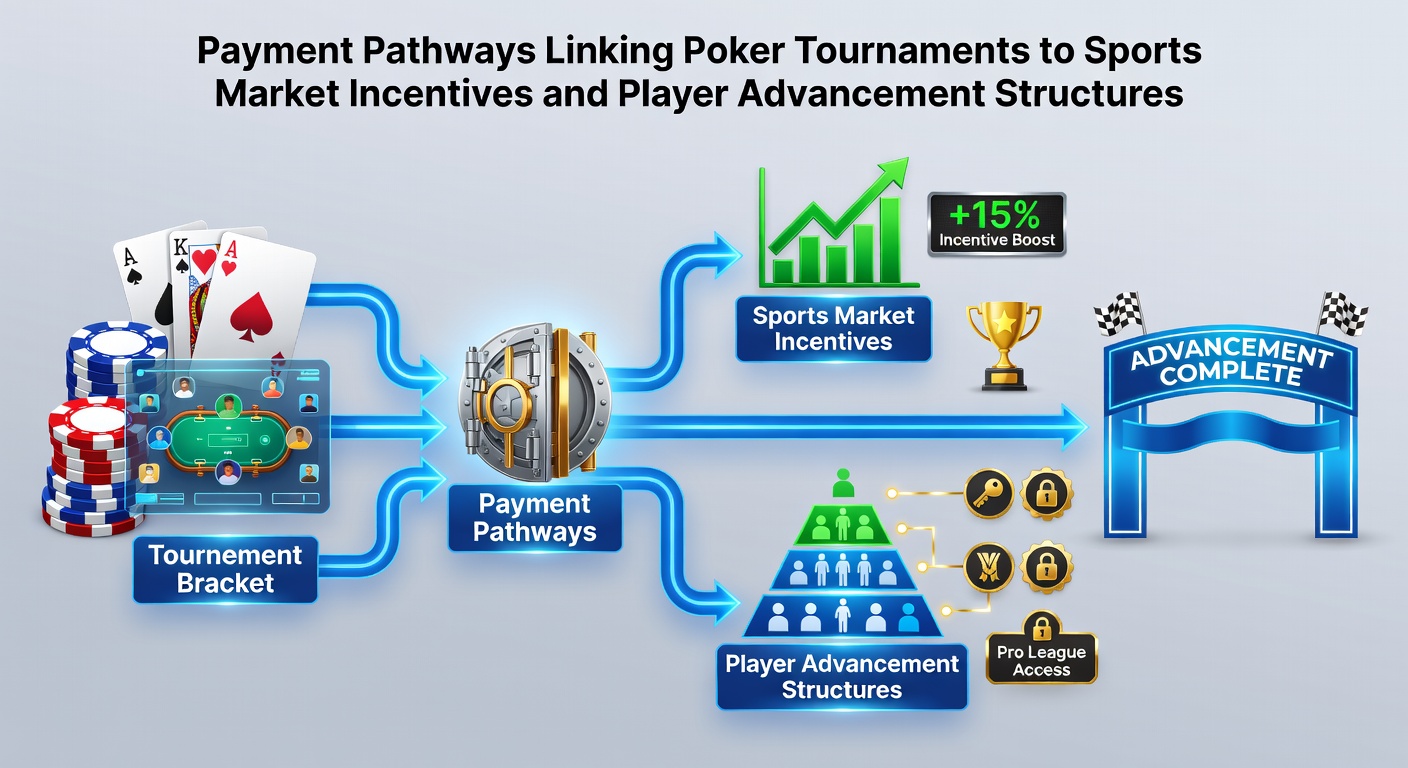
Payment pathways in modern gaming ecosystems connect poker tournaments directly to sports market incentives through integrated reward mechanisms and structured player progression systems, and these connections have grown more pronounced as operators expand cross-product offerings in both physical and digital environments. Research indicates that funds from entry fees and prize distributions often flow into loyalty accounts that unlock sports betting credits or enhanced odds on partnered platforms, creating seamless transitions for participants who move between table games and wagering markets. Data from industry tracking services shows that in May 2026 several major operators updated their backend systems to allow real-time transfers between poker winnings and sports incentive wallets, reducing friction that previously required manual redemptions or separate account logins.
Core Mechanics of Tournament Payment Systems
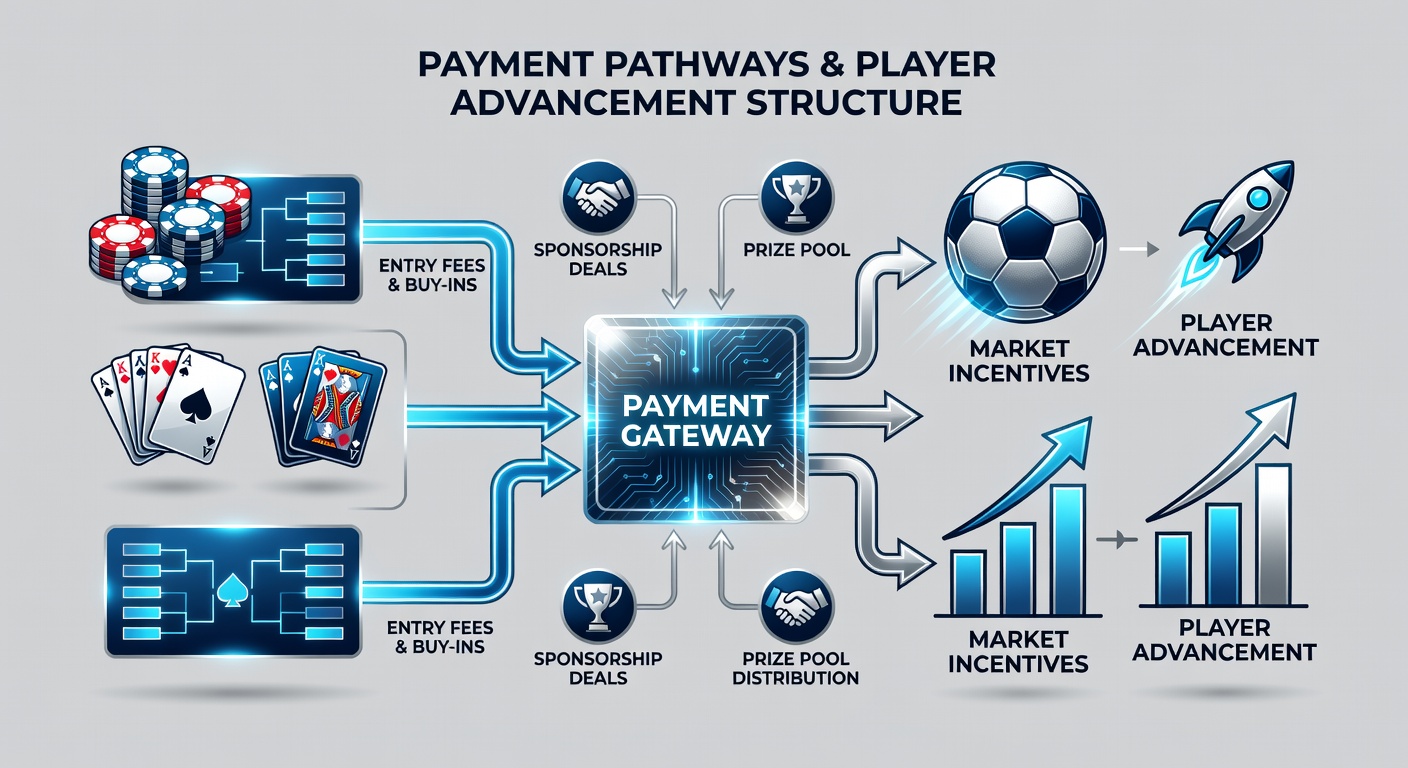
Tournament organizers collect buy-ins through secure payment processors that route portions of each fee into central prize pools while allocating smaller percentages to marketing and loyalty reserves, and those reserves frequently convert into sports betting vouchers once players reach predetermined advancement thresholds. Observers note that automated reconciliation tools now handle these splits within seconds of each transaction, allowing participants to see available sports incentives appear in their dashboards immediately after a poker session concludes. Figures from the Nevada Gaming Control Board reveal steady increases in cross-platform redemptions during the first quarter of 2026, reflecting broader adoption of unified wallet technology across multiple states with regulated markets.
Integration with Sports Market Incentives
Sports betting operators embed poker-derived incentives into deposit matches, cashback tiers, and parlay boosts that activate when users link verified tournament histories to their wagering profiles, and this linkage encourages repeated engagement across both verticals without requiring additional deposits. What's interesting is how some platforms apply multiplier effects where poker points convert at favorable rates into sports free bets during promotional windows, particularly around major events like the NBA playoffs or European football seasons. According to reports issued by the American Gaming Association, integrated incentive programs contributed measurable lifts in overall handle during early 2026, especially among players who advanced through combined loyalty ladders rather than operating in isolated product silos.
Player Advancement Structures and Tiered Rewards
Advancement frameworks typically organize participants into progressive tiers based on cumulative spend, win frequency, and cross-product activity, with poker tournament results feeding directly into the calculation algorithms that determine eligibility for higher sports betting limits and exclusive market access. Those who've studied these systems know that reaching platinum or diamond status often unlocks dedicated account managers who facilitate larger transfers between poker balances and sports risk capital, streamlining what used to involve multiple verification steps. Case examples from operators in Atlantic City illustrate how players who climbed advancement ladders through consistent tournament participation received personalized sports incentive packages that included reduced juice on select bets and priority access to high-limit pools.
Regulatory and Operational Considerations in Mid-2026
Regulators in multiple jurisdictions began reviewing these interconnected payment flows more closely during May 2026 to ensure compliance with anti-money laundering standards while preserving the operational efficiency that players expect, and early guidance emphasized transparent disclosure of conversion rates between poker credits and sports incentives. Industry organizations such as the European Gaming and Betting Association published position papers highlighting best practices for maintaining audit trails across linked products, noting that clear separation of funds at the technical level helps satisfy oversight requirements without disrupting user experience. Research from academic centers including the University of Nevada's International Gaming Institute indicates that jurisdictions adopting unified reporting standards saw faster approval times for new incentive structures compared with those maintaining separate ledgers for each vertical.
Future Trajectory of Linked Payment Ecosystems
Continued expansion of these pathways appears likely as more states finalize sports betting regulations and existing poker markets seek additional revenue channels, while operators experiment with blockchain-based settlement layers that could further accelerate transfers between tournament results and sports market positions. Data shows rising participation rates among mid-tier players who value the combined advancement opportunities, and several platforms reported double-digit growth in cross-vertical session lengths after implementing simplified payment routing. Those monitoring the space expect additional refinements in real-time compliance checks that will support even tighter integration without introducing new friction points for end users.
Conclusion
Payment pathways that link poker tournaments to sports market incentives and player advancement structures represent a maturing segment of the gaming industry where technical infrastructure, regulatory frameworks, and player behavior converge, and ongoing developments through 2026 continue to shape how funds move across these once-distinct categories. The patterns established in current implementations provide a foundation for further refinements that prioritize speed, transparency, and compliance across expanding markets.