Regulatory Shifts Reshaping Loyalty Accumulation Strategies in Portable Gaming and Wagering Ecosystems
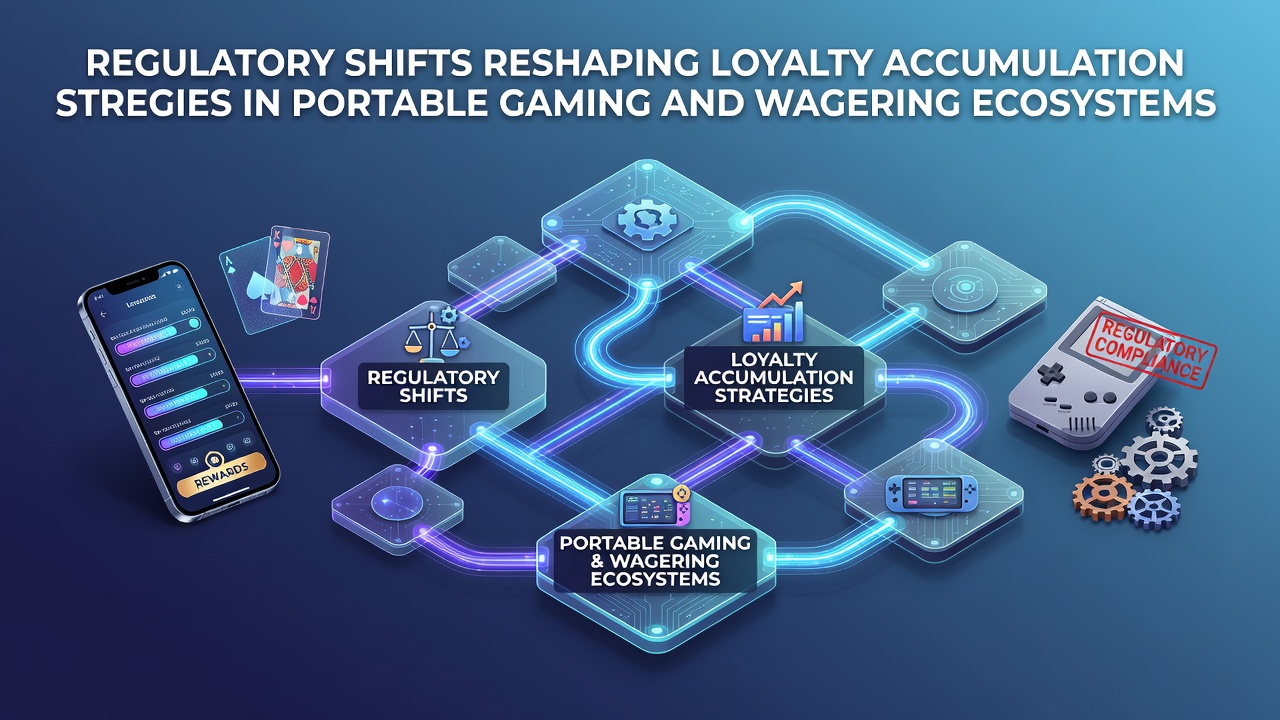
Regulatory frameworks across multiple jurisdictions continue to evolve and they now directly influence how loyalty points accrue within mobile gaming applications and digital wagering platforms, while operators adjust their systems to maintain compliance without disrupting player progression pathways.
Data from the Alcohol and Gaming Commission of Ontario shows that revised responsible gaming mandates implemented in early 2025 required platforms to separate loyalty accrual from direct deposit incentives in certain categories, a change that prompted developers to redesign tier advancement mechanics for portable table games and sports prediction tools. These adjustments ensure points accumulate based on verified play activity rather than funding events alone, and they create more transparent structures that align with oversight expectations in Canadian markets.
North American Adjustments and Mobile Platform Responses
State-level bodies in the United States have introduced layered reporting requirements for loyalty programs tied to online and mobile channels, and operators responded by embedding real-time compliance checks into their apps. In jurisdictions such as New Jersey and Pennsylvania, updated rules limit how quickly players can convert accumulated rewards into cashable credits when those points derive from high-volume sports wagering activity, which forces developers to introduce holding periods and segmented reward pools that function within portable interfaces. One major platform revised its VIP ladder in March 2026 to isolate sports betting engagement from reel-based accumulation rates, thereby satisfying state audit trails while preserving cross-category advancement options for users on handheld devices.
European and Asia-Pacific Developments
Across European markets the European Gaming and Betting Association published guidance in late 2025 that encouraged clearer separation between loyalty mechanics and promotional funding sources, and several operators adapted their mobile systems to reflect those recommendations. Australian regulators followed with similar directives focused on digital wallets linked to wagering apps, where point multipliers now require documented player risk assessments before activation. These measures affect handheld card arenas and forecast platforms equally, since both rely on seamless cross-device tracking to sustain tier momentum. Observers note that platforms incorporating blockchain verification methods have navigated the transition more smoothly because transaction logs provide auditable trails that satisfy multiple oversight bodies simultaneously.

Platforms operating across borders have begun to harmonize their loyalty engines to accommodate the strictest applicable rule set, and this approach reduces the need for region-specific code branches that previously complicated updates. In practice, a single mobile application might apply conservative accumulation caps derived from one jurisdiction while still offering faster progression in categories permitted elsewhere, all managed through geolocation and user profile settings that update automatically.
Impact on Player Advancement Structures
Research from the National Council on Problem Gambling indicates that transparency mandates around loyalty disclosure have increased player awareness of how different game types contribute to status gains, and operators have responded with clearer in-app breakdowns. These displays now appear within portable poker communities and athletic prediction environments alike, helping users understand why certain activities accelerate tier movement while others remain capped. The shift has also encouraged development of hybrid reward models that blend time-based engagement metrics with traditional spend thresholds, thereby maintaining momentum for users who participate across multiple portable formats without triggering regulatory flags.
June 2026 marks the scheduled rollout of enhanced anti-money laundering program expansions in several U.S. states, and preliminary testing shows that loyalty systems must now flag rapid point transfers between accounts more aggressively. Developers have introduced velocity controls that pause accumulation when patterns exceed predefined thresholds, yet they preserve overall progression speed for compliant play sessions conducted on mobile devices.
Future Trajectories and Operational Adaptations
Industry reports suggest that continued regulatory convergence will push more operators toward unified loyalty ledgers that function identically across jurisdictions, and early adopters already demonstrate reduced compliance overhead through centralized rule engines. Those who've studied these transitions observe that platforms investing in modular architecture can toggle individual parameters without rebuilding entire applications, a practical advantage when portable gaming ecosystems span dozens of regulatory environments. The result is a landscape where loyalty accumulation remains dynamic and engaging for users while meeting the documentation and separation standards now common across North American, European, and Asia-Pacific markets.
Conclusion
Regulatory evolution continues to drive structural changes in how loyalty points build within mobile gaming and wagering applications, and operators have adapted through segmented reward pools, enhanced verification layers, and cross-border harmonization efforts. These modifications preserve player engagement pathways while satisfying oversight requirements that differ by region yet increasingly share common principles around transparency and risk management.