Synchronization of Mobile Transaction Security With Multi-Vertical Reward Accumulation in Electronic Gaming Ecosystems

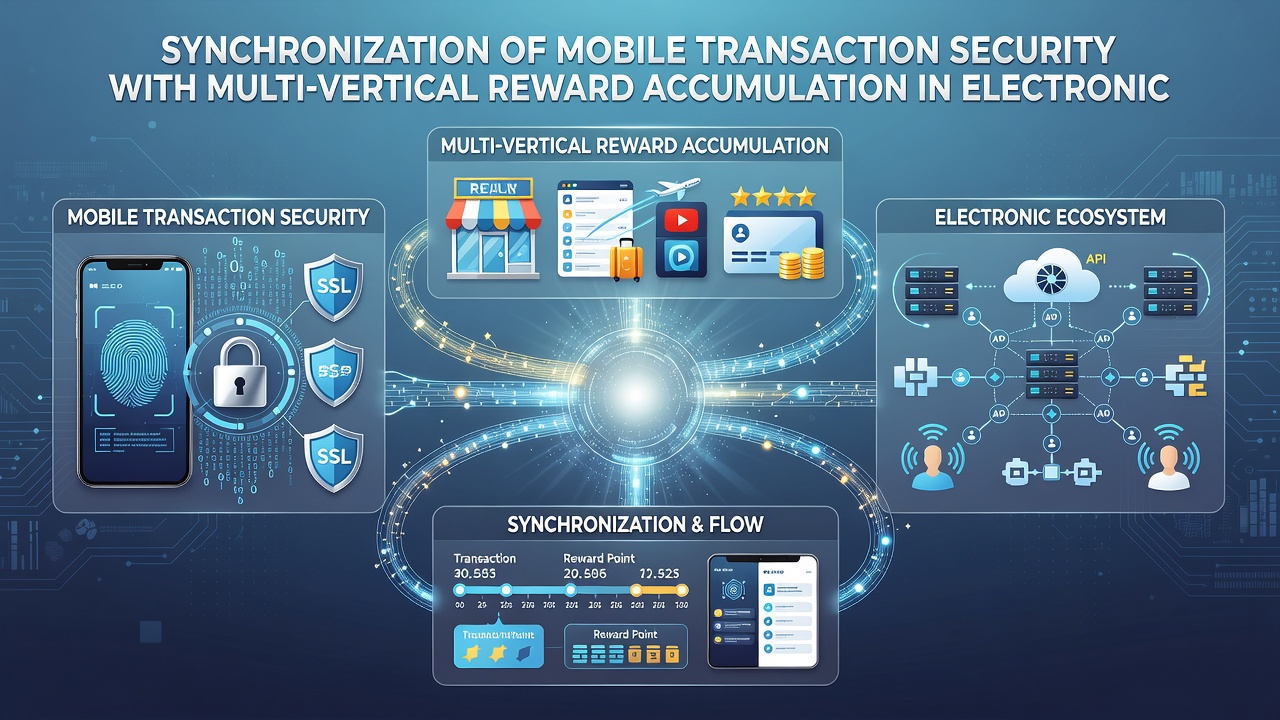
Electronic gaming ecosystems now integrate mobile transaction security protocols directly with reward systems that span multiple verticals including slots, table games, sports wagering, and poker rooms. This synchronization allows players to accumulate points and bonuses across different game types while maintaining strict controls on fund movements and data protection. Operators deploy layered encryption standards alongside tokenization methods that convert sensitive payment details into secure identifiers before any reward calculation begins.
Core Components of Mobile Transaction Security
Security frameworks in mobile gaming rely on end-to-end encryption that protects data during transfers between player devices and centralized servers. Biometric authentication such as fingerprint and facial recognition supplements traditional passwords to verify user identity before reward points get credited or redeemed. Multi-factor verification processes combine device location data with transaction history to flag unusual activity patterns across gaming categories.
Tokenization further reduces exposure by replacing actual card numbers with unique tokens that hold no standalone value outside the specific ecosystem. Researchers at various institutions have documented how these methods limit breach impacts when reward accumulation crosses from one vertical to another. In July 2026 several major platforms reported expanded adoption of quantum-resistant algorithms to future-proof these protections against emerging computational threats.
Multi-Vertical Reward Accumulation Mechanisms
Reward systems accumulate value through unified player accounts that track activity in slots, live dealer tables, sportsbooks, and tournament poker simultaneously. Points earned from one category convert into status levels that unlock benefits in others, creating interconnected progression paths. Data from industry reports shows these structures increase retention when players move fluidly between mobile-optimized verticals without resetting their accumulated progress.
Operators manage conversion rates through centralized ledgers that update in real time as transactions complete. For instance, spins on mobile slot titles feed directly into a shared pool that later applies to sports betting odds or poker tournament entries. This cross-vertical flow requires precise synchronization to ensure security checks do not interrupt the accumulation process or create delays in point validation.
Integration Challenges and Technical Solutions
Aligning security measures with reward accumulation presents challenges around latency, as additional verification steps can slow point crediting across verticals. Solutions include edge computing nodes that process authentication closer to the player device while maintaining connection to the main reward database. Observers note that platforms adopting these distributed models report fewer interruptions during high-volume periods when players switch rapidly between game types.
Regulatory frameworks in multiple jurisdictions influence how these integrations occur. The American Gaming Association has published guidelines on responsible reward program design that emphasize transparent security disclosures. Similar principles appear in Canadian provincial oversight documents that address mobile transaction standards for cross-category loyalty tracking.
Current Trends in July 2026
By July 2026 several ecosystems have introduced dynamic security scoring that adjusts verification intensity based on reward accumulation velocity. Rapid point gains across verticals trigger additional checks while steady activity maintains baseline protections. This adaptive approach balances security needs with user experience during multi-vertical play sessions.
Blockchain elements appear in select verification networks to create immutable records of point transfers between gaming categories. These records help reconcile discrepancies when players move rewards from mobile slots into sports markets or poker structures. Industry analyses indicate growing use of such distributed ledgers to support audit requirements without exposing full transaction details.
Conclusion
Synchronization between mobile transaction security and multi-vertical reward accumulation continues to evolve through combined technical and operational measures. Platforms that maintain consistent encryption, authentication, and ledger systems across slots, table games, sports wagering, and poker enable seamless point progression while meeting data protection standards. The developments observed through mid-2026 reflect ongoing refinements in these integrated frameworks.