The Influence of Transaction Options on Access to Real-Time Dealer Experiences Within Portable Poker Communities
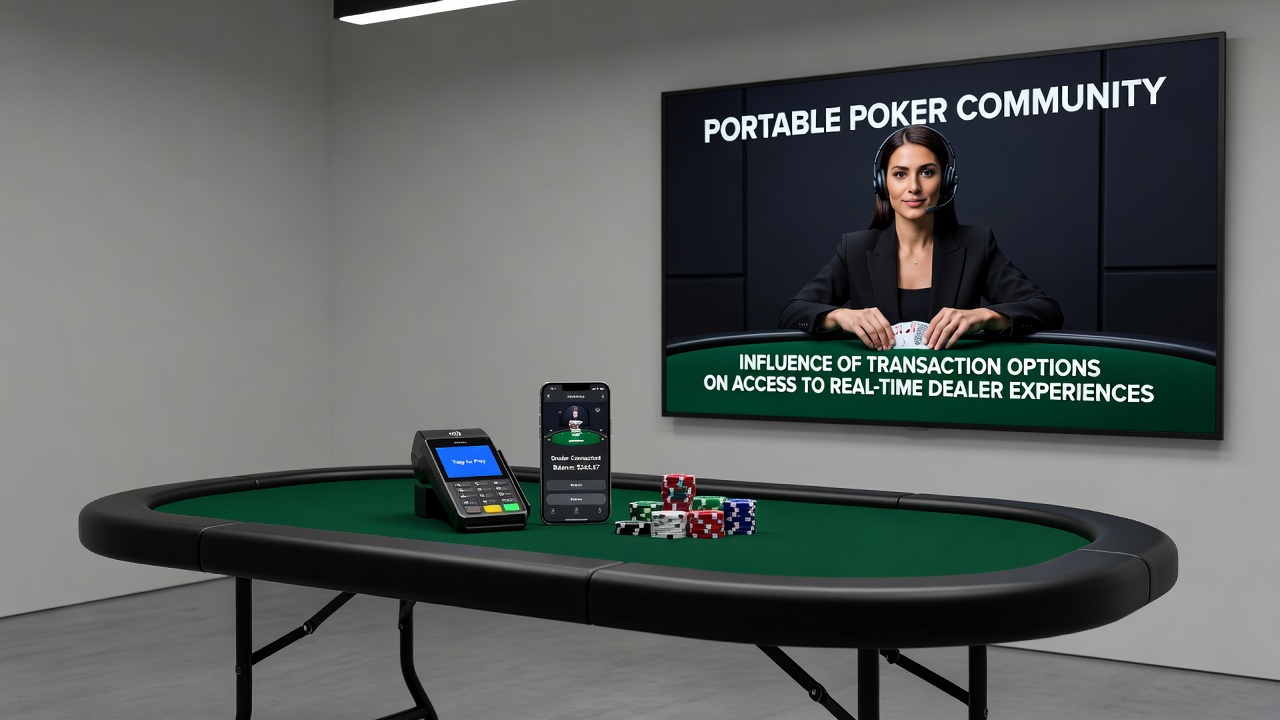 Portable poker communities operate through mobile applications that connect players to live dealer tables across multiple time zones, and transaction options determine how quickly participants gain entry to those sessions. Payment methods such as digital wallets, bank transfers, and cryptocurrency networks each carry distinct processing speeds that affect whether a player joins a table within seconds or waits through verification delays. Research from the iGaming Ontario platform indicates that instant settlement methods correlate with higher session initiation rates during peak evening hours in North American markets. Observers note that communities built around real-time dealer poker prioritize low-latency funding because tables often fill within minutes of opening. When deposits clear immediately, users bypass waiting periods that previously required manual approval steps. Data shows this pattern holds across both recreational and competitive player segments, where timing directly influences participation levels.
Processing Speeds and Table Accessibility Patterns
Transaction velocity shapes access in measurable ways. E-wallet options typically complete authorization in under thirty seconds, allowing players to move from deposit screen to active dealer stream without interruption. Bank wire methods, by contrast, introduce delays ranging from several hours to a full business day depending on the institutions involved and the jurisdiction of the account holder. Cryptocurrency transfers occupy an intermediate position, with confirmation times varying by network congestion yet often settling faster than traditional banking channels during off-peak periods.
Studies compiled by the iGaming Ontario regulatory body reveal that platforms offering multiple instant options record elevated concurrent user counts compared with those limited to slower rails. Portable poker groups organized around specific mobile applications demonstrate similar trends, with activity spikes aligning closely to deposit confirmation timestamps rather than scheduled tournament starts. Those patterns emerge consistently in usage logs reviewed across several operators serving Canadian and U.S. markets.
Community Structures and Funding Preferences
Within portable poker communities, subgroups form around shared payment preferences that reflect regional infrastructure and regulatory constraints. Players in jurisdictions with mature digital wallet ecosystems gravitate toward methods that support seamless top-ups between hands, while participants in areas with stricter banking oversight rely more heavily on prepaid card or voucher systems. These differences create distinct access tiers even inside the same application environment.
Figures released in mid-2026 by Australian regulatory sources show that communities utilizing blockchain-based settlement recorded steadier engagement curves throughout July, particularly during cross-time-zone events where players from multiple continents overlap. Observers tracking these groups report that transaction confirmation speed influences not only initial entry but also re-entry frequency after players exhaust initial stacks. Faster rails reduce friction during reload sequences, keeping tables populated longer into late-night windows.
Regulatory Developments Affecting Payment Integration
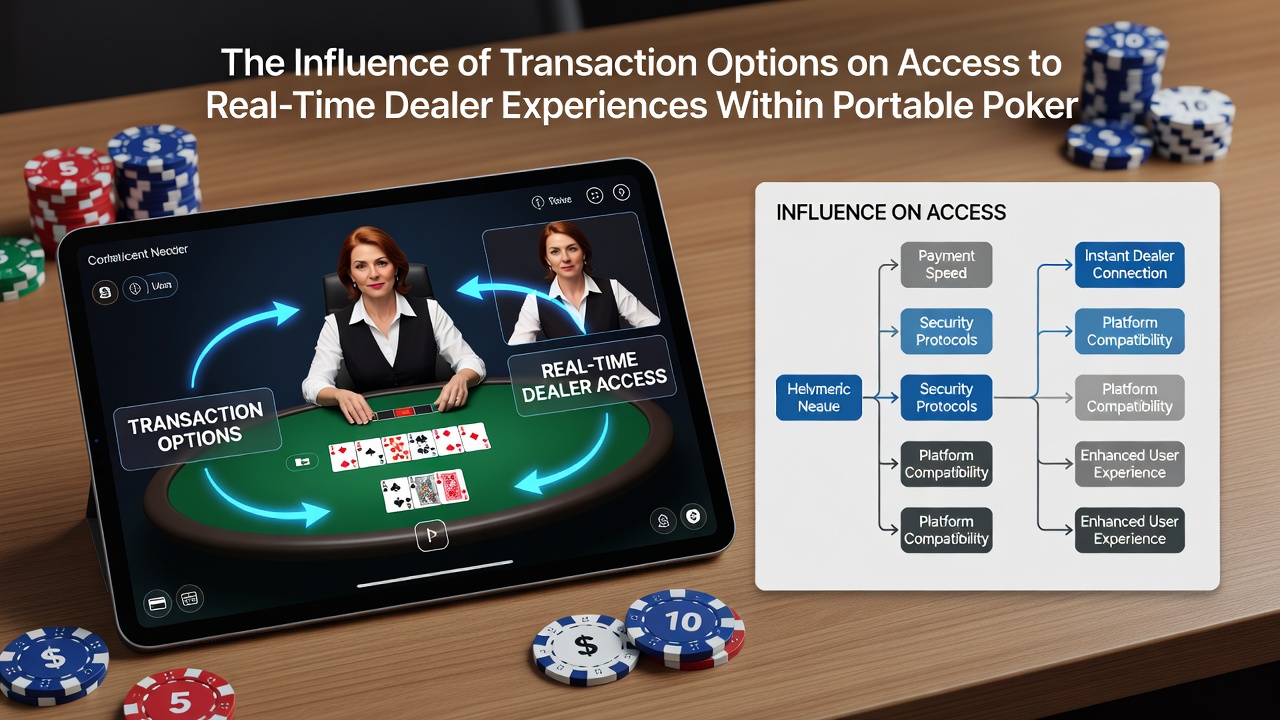
Regulatory frameworks continue to evolve around transaction verification requirements, which in turn affect how quickly portable platforms can route funds to live dealer environments. In July 2026 several North American licensing bodies updated guidance on identity confirmation protocols for digital asset transfers, prompting operators to adjust integration timelines. These adjustments produced temporary variations in deposit availability that communities tracked through in-app notifications and forum discussions.
Researchers examining transaction logs across multiple jurisdictions note that compliance-driven pauses disproportionately impact users dependent on newer payment rails. Established e-wallet partnerships, already integrated with automated verification layers, maintained smoother continuity. The resulting access disparities appear most pronounced during high-volume periods when tables turn over rapidly and waiting lists form quickly.
Technical Infrastructure Supporting Real-Time Integration
Backend systems connecting payment processors to poker servers determine whether a confirmed transaction immediately unlocks dealer stream access. Application programming interfaces designed for low-latency environments push balance updates to the game client within milliseconds once funds clear. Platforms that maintain redundant processor connections experience fewer interruptions when one channel encounters temporary congestion or maintenance windows.
Community moderators frequently document these technical realities in shared resources, noting which payment combinations deliver the most reliable hand-to-hand reload capability. Data aggregated from user reports across several large mobile poker networks shows that diversified processor support correlates with longer average session durations, because players encounter fewer forced breaks while awaiting clearance.
Conclusion
Transaction options exert measurable influence over participation timing and session continuity inside portable poker communities that feature real-time dealer experiences. Processing speed differences create observable patterns in table occupancy rates and player return frequency, patterns documented across regulatory reports and operator analytics from multiple regions. As platforms refine integration between funding methods and live dealer infrastructure, these access dynamics continue to shift in response to both technological upgrades and regulatory adjustments.