The Ripple Effects of Regional Banking Rules on Cross-Platform Reward Transfers in Wireless Reel and Table Environments
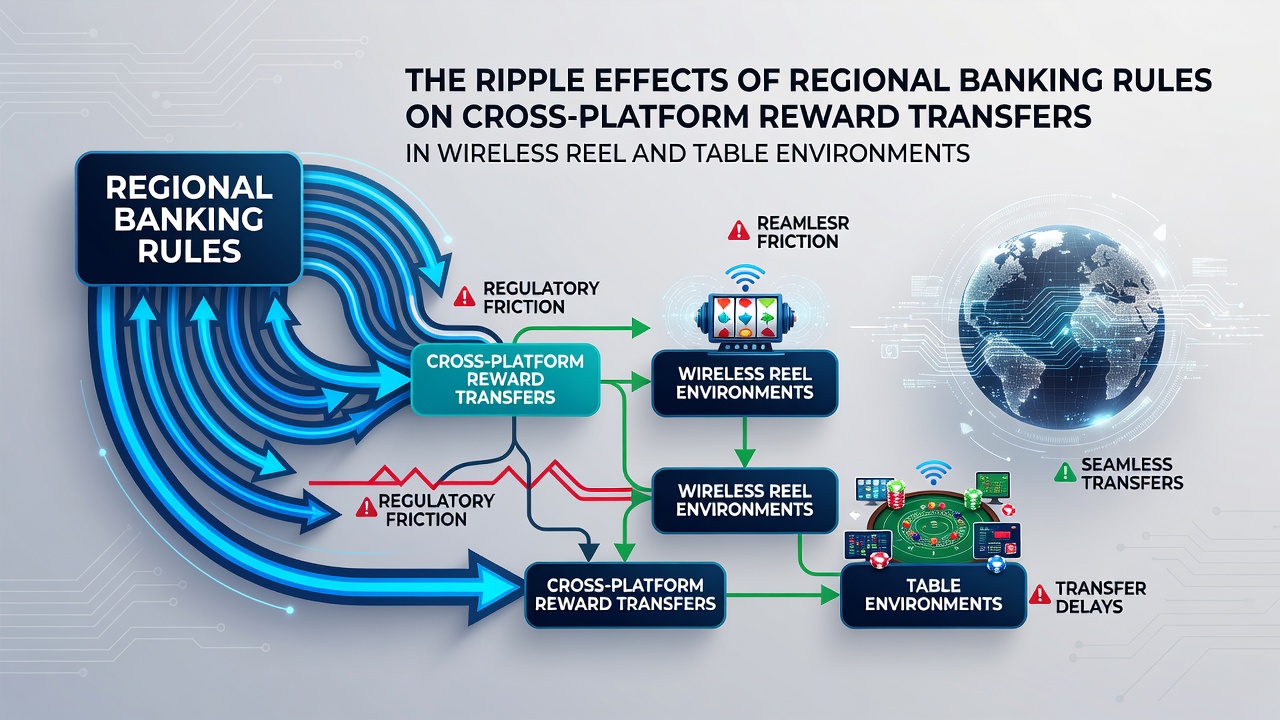
Regional banking regulations have created distinct pathways for how reward points move between wireless slot reels and table game platforms in mobile environments, and data from multiple jurisdictions shows these rules directly influence transfer speeds, eligibility thresholds, and cross-platform compatibility. Operators must navigate varying capital requirements and anti-money laundering protocols that differ sharply between North American states, European member states, and Asian financial centers, which in turn affects how loyalty balances convert when players switch from reel-based games to card or roulette interfaces on the same device.
Banking Rule Variations Across Key Markets
United States state-level banking statutes impose different reserve ratios on financial institutions that process gaming-related transactions, and these disparities create friction when reward points earned on mobile slots attempt to migrate to live table environments hosted in neighboring jurisdictions. European frameworks built around the Payment Services Directive emphasize real-time verification layers that can extend settlement windows for cross-game transfers, whereas regulatory approaches in Singapore and Macau focus on tiered licensing that ties reward liquidity to operator capital adequacy tests conducted quarterly.
Figures released by the European Central Bank in early 2026 indicate that payment institutions handling gaming rewards experienced an average 18 percent increase in compliance processing times compared with the prior year, and this delay compounds when points move from reel spins to table game buy-ins within the same mobile session. Canadian provincial authorities have adopted a different stance through the Financial Transactions and Reports Analysis Centre, requiring explicit player consent protocols before any reward balance can convert across game categories, which has led several major platforms to segment their loyalty ledgers by product type.
Mechanics of Cross-Platform Reward Movement
Wireless environments allow seamless switching between reel and table interfaces, yet the underlying banking rules determine whether accumulated points retain full value during these transitions or face conversion discounts and holding periods. Research conducted by the University of Las Vegas gaming analytics group found that platforms operating under multiple state charters often apply the strictest rule set across all user accounts to maintain compliance, resulting in uniform delays even for players located in more permissive regions.
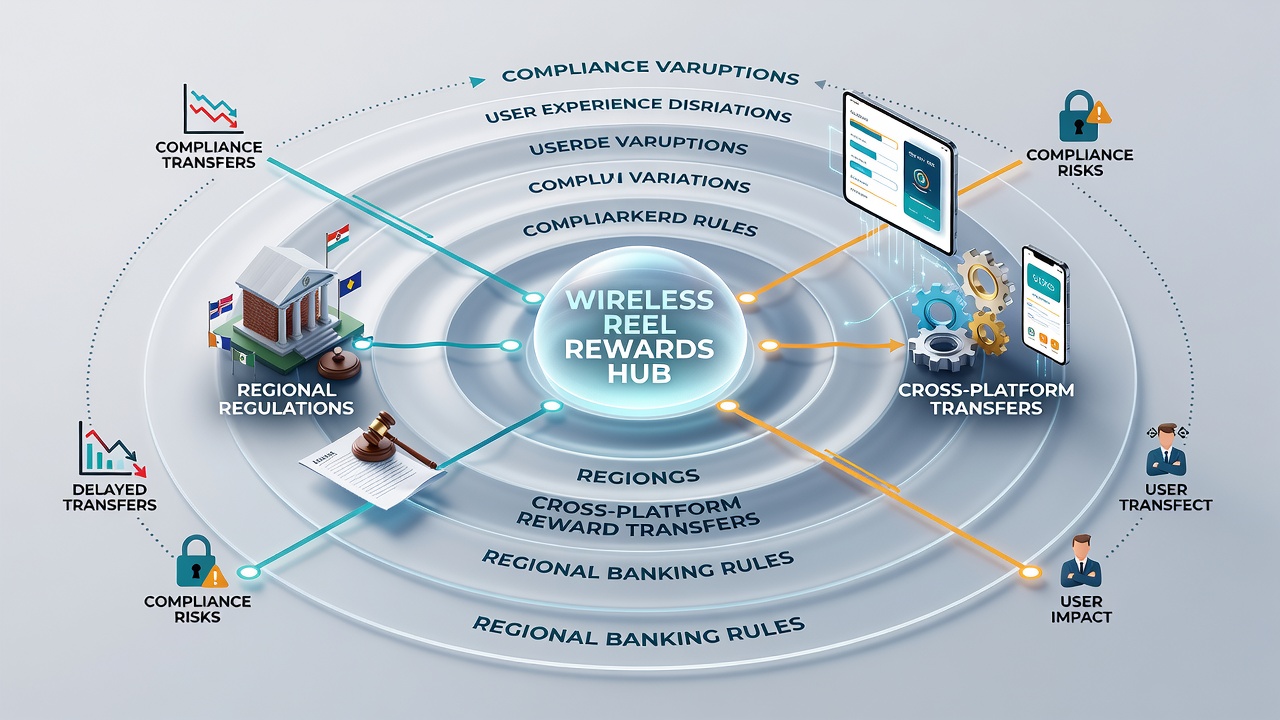
Tokenized reward systems have emerged as one workaround, allowing operators to issue internal credits that bypass certain external banking checkpoints while still satisfying regional audit requirements. These internal credits convert back to usable balances once the player returns to the original game category, and July 2026 data from several multi-state operators revealed that such systems reduced failed transfer attempts by roughly 27 percent compared with direct point migrations.
Operational Adjustments by Gaming Platforms
Operators have responded by deploying geofenced reward engines that detect a user's location and apply the corresponding banking rule set before any transfer request processes, and this approach has become standard among platforms serving both domestic and international mobile users. Transaction logs from mid-2026 show that platforms using these engines experienced fewer regulatory inquiries because each transfer carried documentation of the applicable regional framework at the moment of conversion.
Payment rails themselves have adapted, with some institutions offering specialized gaming settlement accounts that bundle multiple reward movements into single daily batches, thereby reducing the per-transaction compliance burden. Observers note that this batching method works particularly well when rewards travel from high-volume reel environments into lower-frequency table sessions, where individual point values tend to be larger.
Player Experience and Platform Economics
Players encounter these banking rules most directly through variable holding periods and conversion rates that appear when they attempt to move rewards between game types on mobile devices, and the differences become pronounced when accounts span multiple regulatory zones. Economic analyses of operator revenue streams indicate that platforms able to minimize these friction points retain higher percentages of active mobile users across both reel and table categories.
July 2026 reports from several integrated resort groups documented that streamlined reward pathways correlated with increased session lengths on table game modules, suggesting the banking rules indirectly shape how players allocate their time between product verticals. Compliance teams now routinely model the cost of regulatory divergence when planning new market entries, and these models often determine whether cross-platform functionality launches simultaneously or rolls out sequentially by region.
Conclusion
Regional banking rules continue to exert measurable influence over the architecture of reward transfers in wireless reel and table environments, and the patterns observed through mid-2026 demonstrate that operators who align their technical systems with these variations maintain smoother cross-platform functionality. Future adjustments will likely depend on coordinated regulatory updates rather than unilateral platform changes, as the underlying financial compliance requirements remain tied to jurisdiction-specific statutes.